Desizing Enzyme Tips for Effective Textile Processing?
In the textile industry, efficiency and sustainability are paramount. Effective desizing is crucial for optimal fabric processing. Experts identify "desizing enzymes" as key players in this process. Dr. Emily Carter, a renowned textile processing specialist, states, "Proper use of desizing enzymes can dramatically enhance fabric quality and processing speed."
desizing enzymes work by breaking down starches used in sizing. This step is vital for achieving a smooth weave. However, not all desizing methods yield the same results. Many companies still struggle to find the perfect enzyme for their specific fabrics. The choice of temperature, pH, and time can all impact enzyme performance.
Focusing on these factors often reveals areas for improvement. Manufacturers must reflect on their current desizing practices. A well-chosen desizing enzyme can reduce waste and improve overall efficiency. Nevertheless, the market is flooded with options, making it daunting to select the right enzyme. Careful consideration and testing are essential for success.
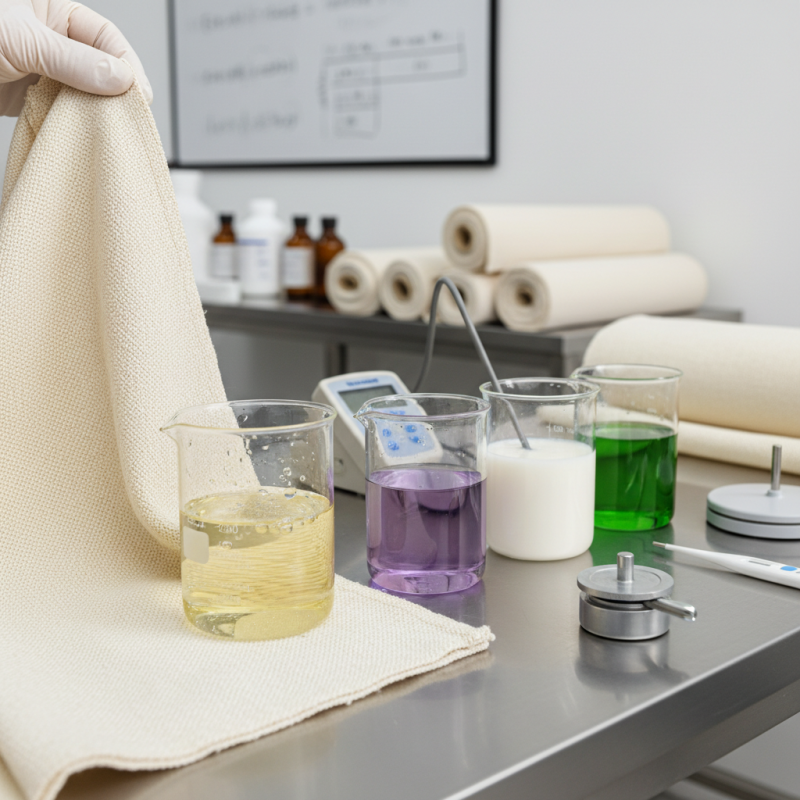
Desizing Enzymes: Definition and Role in Textile Processing
Desizing enzymes play a crucial role in textile processing. Their primary function is to remove size agents applied to yarns during weaving. These size agents can hinder dye absorption and reduce color fastness. Without effective desizing, the final fabric may have uneven hues. It's vital to select the right enzyme for specific fibers, like cotton or silk.
Different types of desizing enzymes exist, each targeting various sizing materials. For instance, amylases are often used to break down starch-based sizes. The process requires precise conditions, including temperature and pH levels. Inconsistent conditions can result in incomplete desizing, leaving traces of size in the fabric. This not only affects appearance but also durability, leading to fabric wear over time.
Textiles processed with ineffective desizing can lead to increased production costs. Manufacturers might face extra steps to correct issues post-processing. This can slow down production lines and affect overall quality. Paying attention to enzyme selection and processing conditions is vital for flawless fabric outcomes. Pruning the workflow might be necessary, as not all methods yield the desired results.
Types of Desizing Enzymes Used in the Industry Today
Desizing enzymes play a crucial role in textile processing. They help remove size materials from fabrics before dyeing and finishing. The industry today utilizes various types of desizing enzymes, each tailored for specific fabrics and conditions. Amylases, cellulases, and proteases are the most common enzymes found in textile processing. According to recent industry reports, the global demand for textile enzymes is projected to reach over $3 billion by 2025, indicating significant growth in this field.
When choosing desizing enzymes, consider the type of fabric. Amylases are ideal for starch-based sizes. They work effectively in alkaline conditions. In contrast, cellulases are better suited for cotton fabrics. These enzymes break down cellulose efficiently, allowing for better dye uptake. Proteases can act on protein-based sizes, enhancing overall fabric quality.
Tips for effective desizing include optimizing the enzyme concentration. Too little may lead to incomplete desizing, while excessive amounts can damage fabrics. Temperature and pH levels also significantly impact enzyme activity. Maintaining the right balance is key. Regularly reviewing enzyme performance can highlight areas needing improvement. Small adjustments can lead to better efficiency in textile processing.
Desizing Enzyme Tips for Effective Textile Processing
| Enzyme Type | Application | Advantages | Temperature Range (°C) | pH Range |
| Amylase | Removal of Starch | Highly effective starch removal | 30-70 | 4.5-7.0 |
| Cellulase | Cotton Softening | Improves fabric softness | 50-60 | 4.5-7.5 |
| Pectinase | Desizing of Fruit/Natural Fibers | Effective on pectins | 40-70 | 4.0-6.0 |
| Protease | Degradation of Protein-based Sizes | Effective protein removal | 30-50 | 6.0-9.0 |
Optimal Conditions for Effective Enzyme Activity in Textiles
When processing textiles, enzyme activity is crucial. The right conditions enhance effectiveness. Temperature is one of the major factors. Most enzymes function optimally between 30°C to 60°C. However, exceeding this range can lead to reduced activity and stability. Thus, careful monitoring is essential to achieve desired results.
pH levels significantly affect enzyme activity as well. Most desizing enzymes work best in a pH range of 5 to 8. Outside this range, efficiency may decline. Testing various pH levels ensures optimal performance. It’s a trial-and-error process but worth the effort.
Another critical aspect is the concentration of the enzyme used. Too little may result in incomplete desizing, while too much can cause damage to the fibers. Each textile type may require a different enzyme concentration. This variability can be confusing. Regular adjustments and testing are needed to refine the process. This approach ensures that you get it right over time.
Comparative Analysis of Enzyme Efficacy vs. Traditional Desizing Methods
Desizing is a crucial step in textile processing, significantly influencing the final fabric quality. A comparative analysis shows that enzymes can outperform traditional methods. Research indicates that enzymatic desizing can reduce water consumption by up to 50%. This is a compelling benefit for textile manufacturers aiming to enhance sustainability. Traditional methods often rely on harsh chemicals, which can negatively impact both the environment and worker health.
When using desizing enzymes, it's essential to consider specific enzyme types tailored for various fabrics. For example, amyloglucosidase enzymes are effective on starch sizes typically used in cotton. A point worth noting is that while enzymes can be more efficient, they require precise control of temperature and pH. Improper conditions may lead to inefficacy, prompting a need for deeper reflection on processing parameters.
Tips for effective enzyme use include:
- Adjust the enzyme dosage based on fabric type to maximize efficiency;
- Monitor processing conditions closely for optimal results;
- Consider pre-treatment of fabrics to enhance enzyme activity.
A small adjustment can make a significant difference in outcome. However, analyzing performance post-application is critical. Some may find that enzymes do not always eliminate all sizes, leading to unfinished fabrics. Understanding these nuances will help yield better practices in textile processing.
Environmental Impact and Sustainability of Desizing Enzymes in Production
Desizing enzymes have gained popularity in textile processing. They effectively remove sizing agents from fabrics. This process improves dye uptake and enhances fabric quality. However, the environmental impact of these enzymes cannot be ignored.
The production and use of desizing enzymes often involve chemicals that can harm ecosystems. Some enzymes are derived from microorganisms, which may disrupt local biodiversity. The challenge lies in balancing efficiency with sustainability. Many industries are striving to find greener alternatives.
Sustainable production practices are essential. Using biodegradable enzymes reduces pollution risks. It's crucial to evaluate the entire lifecycle of these products. Addressing the environmental impact requires collective effort. Continuous improvement and innovation are necessary.
Environmental Impact and Sustainability of Desizing Enzymes in Textile Processing