How to Use an Interlocking Nail Implant for Bone Fractures?
Interlocking nail implants have revolutionized the treatment of bone fractures. According to a report by the American Orthopaedic Association, around 10 million fractures occur annually in the USA alone. This statistic underscores the importance of effective treatment. Interlocking nail implants offer a minimally invasive option. They help stabilize complex fractures, especially in long bones.
Biomechanics research suggests that these implants provide excellent load-sharing capabilities. A study published in the Journal of Orthopaedic Research indicates high success rates in fracture healing with interlocking nails. However, it’s crucial to recognize limitations and complications, such as infection and misalignment. Surgeons must carefully evaluate each case. While these implants are a game changer, challenges remain in optimizing placement techniques.
Additionally, patient recovery varies widely. Factors such as age, health status, and adherence to rehabilitation affect outcomes. Patients must be informed and prepared for the rehabilitation process. Even with advanced technology, not every case is straightforward. Interlocking nail implants represent hope, but a thorough understanding is essential for successful use.
Understanding Interlocking Nail Implants in Orthopedic Surgery
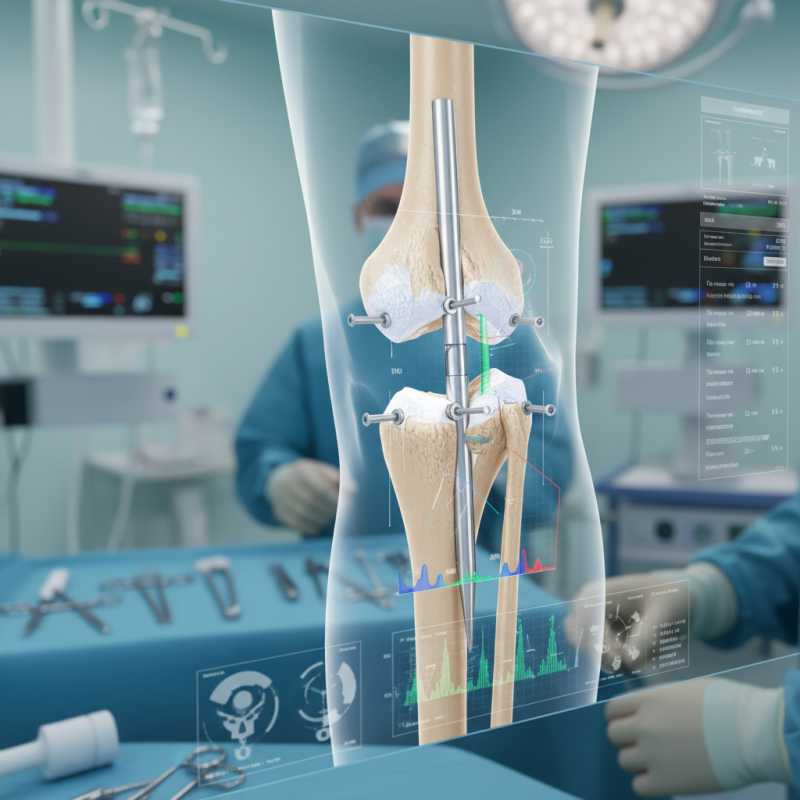
Interlocking nail implants are vital in orthopedic surgery for treating bone fractures. They provide stability and support during the healing process. These nails are inserted into the bone, aligning with the fracture. This method helps maintain the correct position and encourages proper healing.
Surgeons implant these nails through small incisions. Precision is crucial during this process. X-rays guide the placement. Sometimes, complications arise. Improper alignment can lead to delayed healing or further injury. It's essential for the surgical team to assess the fracture type accurately. Post-operative care also requires attention. Patients must follow rehabilitation protocols closely.
Interlocking nail implants have revolutionized fracture treatment. They reduce healing time and improve mobility. However, not all cases are the same. Some patients may experience pain or discomfort post-surgery. This can lead to frustration during recovery. Each case demands a unique approach and careful monitoring to ensure success.
Indications and Suitability for Interlocking Nail Implants
Interlocking nail implants are increasingly used to treat bone fractures, particularly in long bones like the femur and tibia. They provide stability and allow for earlier mobility. These implants are especially indicated for patients with complex fractures, including those with comminuted or unstable fracture patterns. They may also benefit patients who need weight-bearing activities soon after surgery.
Not everyone is a suitable candidate for interlocking nail implants. Patients with severe bone loss or infections may face complications. Additionally, those with certain medical conditions might experience poor healing. It is crucial to assess individual circumstances before opting for this method. A thorough evaluation, including imaging studies and physical examination, can help determine the best approach.
The versatility of interlocking nails is appealing, but the application is not without challenges. Proper alignment is essential, and errors in placement can lead to malunion. Surgeons must consider anatomical variations. There's no one-size-fits-all solution, and outcomes can vary. Reflecting on the risks and benefits is vital for both patients and surgeons.
Step-by-Step Procedure for Implanting Interlocking Nails
Interlocking nail implants are often used for stabilizing bone fractures. Understanding the step-by-step procedure helps ensure success. The initial step involves preparing the site. The patient should be comfortable. Anesthesia is administered to avoid pain during the process.
Next, a precise incision is made at the fracture site. It is crucial to expose the bone carefully. Avoid unnecessary damage to surrounding tissues. Once the area is clear, the drill creates a pathway for the nail. Using fluoroscopy during this step can improve accuracy.
After placing the interlocking nail, securing it is essential. This involves inserting screws at both ends of the nail. Tightening these screws stabilizes the fracture. Continuous monitoring of the patient's vital signs is also important throughout the procedure.
Tips: Always double-check the alignment before securing the nail. Misalignment can lead to complications down the road. If the nail does not seat properly, don’t rush. Instead, reassess the angle or drill again if needed. Clear communication with your surgical team is key. Consider potential changes and be adaptable. Adjustments are often necessary.
Interlocking Nail Implant Usage in Bone Fractures
Post-Operative Care and Recovery After Implantation
After receiving an interlocking nail implant for bone fractures, post-operative care is crucial. Patients should begin with rest and limited mobility. The implant needs time to stabilize within the bone. Swelling is common. Elevate the injured area and apply ice packs to reduce discomfort.
Nutrition plays a big role in recovery. A balanced diet rich in calcium and vitamin D will support bone healing. Drink lots of water to stay hydrated. Consider small, frequent meals to help improve energy levels.
Tips: Keep a journal to track pain levels and mobility. This can help identify patterns. Communicate any concerns with your caregiver. They can provide guidance or make adjustments to your care plan. It’s essential to understand that each recovery journey is unique. It may take time to get back to everyday activities. Be patient and reflect on your progress often.
Potential Complications and Risk Management Strategies
Using an interlocking nail implant for bone fractures offers various benefits, but it is essential to recognize potential complications. One major risk is infection at the surgical site. Ensuring a sterile environment during the procedure is crucial. Post-operative care is equally important. Regular monitoring can help detect signs of infection early.
Another complication is improper alignment of the implant. Misalignment can lead to poor healing outcomes. Surgeons must evaluate the alignment carefully during the procedure.
Sometimes, patients may experience incorrect weight-bearing after surgery. This requires clear guidance on rehabilitation practices.
Patients should also be aware of the possibility of stress shielding. This occurs when the bone loses strength due to reduced load. It is important to follow physical therapy protocols to minimize this risk. Open communication with the healthcare team can help address concerns and enhance recovery. Reflecting on surgical risks can guide better choices and ensure improved patient outcomes.